Moving a vehicle across international borders is a complex logistical task that requires careful planning, adherence to maritime regulations, and selecting the most appropriate transportation method. Whether you are an individual relocating overseas, a classic car investor protecting an asset, or a commercial dealership managing high-volume distribution, your primary goal is to ensure safety while optimizing costs. When analyzing global logistics channels, the central debate usually comes down to evaluating RORO vs container car shipping methods to determine which framework aligns best with your budget and cargo requirements.
Both systems offer distinct advantages depending on the type of vehicle, its operational status, and its monetary value. This guide breaks down the core structural differences between these two primary maritime solutions to help you make an informed decision.
Understanding Roll-on/Roll-off (RORO) Logistics
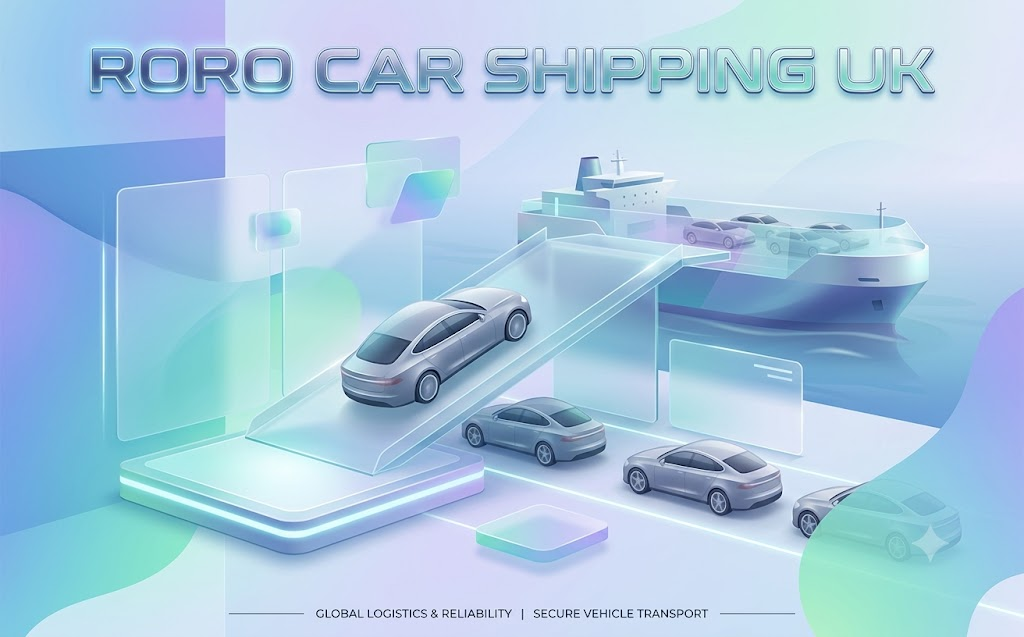
Roll-on/Roll-off shipping is the most widely utilized and efficient method for transporting functional wheeled vehicles globally. Instead of loading cargo into rigid enclosed steel boxes, RORO shipping relies on specialized, purpose-built vessels that operate essentially as massive, multi-tiered floating parking garages.
The loading mechanism is entirely streamlined and relies on a direct drive-on, drive-off process. Trained terminal handlers drive the vehicles up an integrated stern or side-access ramp directly into the weather-tight hull of the ship. Once inside, vehicles are systematically parked in designated bays and securely anchored to the deck floor using high-tension, marine-grade lashing straps to eliminate any movement during rough sea transits. For businesses and individuals looking to move standard passenger cars efficiently from British ports, securing a reliable service for RORO car shipping UK destinations offers an incredibly predictable timeline and minimized handling risks.
Analyzing the Containerized Shipping Framework
In contrast to the shared-deck nature of RORO, containerized shipping involves packing the vehicle inside an isolated 20-foot or 40-foot heavy-duty steel container. The container is then lifted onto a standard container ship using towering port gantry cranes and stacked alongside thousands of other cargo boxes.
Container shipping offers a completely private space for your vehicle. Once the car is driven or winched into the container, it is blocked, braced, and lashed to the internal tie-down rings to prevent shifting. This method is highly favored for non-running vehicles, salvage cars, high-value luxury models, or situations where the owner wishes to ship personal belongings, household goods, or spare automotive parts alongside the vehicle inside the same secure box.
Strategic Comparison: Key Factors to Consider
When weighing the pros and cons of RORO vs container car shipping channels, several commercial and operational parameters should guide your final selection:
- Financial Economy: RORO is globally recognized as the most cost-effective method for shipping running vehicles. Because pricing is determined primarily by the volumetric footprint of the car on a shared deck, you avoid the premium cost of leasing an entire container. Container shipping incurs additional terminal fees for warehouse stuffing, crane operations, and container drayage.
- Safety and Environmental Exposure: Both methods provide exceptional protection against open-ocean elements. RORO vessels keep cargo completely enclosed within weather-tight decks, protecting cars from saltwater spray and harsh winds. However, container shipping offers an extra layer of isolation from port handlers, making it ideal for rare vintage models or premium supercars.
- Cargo Flexibility: If you need to ship personal items or spare parts inside the vehicle, container shipping is mandatory, as maritime laws strictly prohibit leaving loose items inside RORO vehicles. On the flip side, RORO easily accommodates oversized machinery like heavy construction cranes, large motorhomes, and agricultural tractors that physically exceed standard container dimensions.
Essential Preparation Protocol for International Transit
Regardless of the method you choose, proper vehicle preparation is vital to ensure smooth customs clearance and safe passage through international hubs.
First, ensure the vehicle is clean inside and out. Biosecurity inspectors at destination ports enforce zero-tolerance policies for dirt, seeds, or organic mud on the undercarriage, and non-compliance can trigger severe quarantine delays and cleaning penalties. Second, verify the vehicle’s mechanical core: brakes, steering, and ignition must be fully functional (especially for RORO). Lastly, compile all necessary export documentation, including the original V5C logbook, a certified bill of sale, and valid identification, to present to customs authorities before the vessel’s departure.
Frequently Asked Questions (FAQ)
Can I leave personal items inside the car during RORO shipping?
No. Maritime regulations strictly prohibit leaving personal effects, clothing, electronics, or household goods inside a vehicle on a RORO vessel due to fire safety and theft prevention protocols. Only the factory spare tire, jack, and tools are permitted.
Is container shipping better for non-running vehicles?
Yes. Container shipping is highly recommended for non-runners or salvage cars. Loading a non-operational vehicle onto a RORO ship requires specialized winching equipment and winching trailers, which usually incurs substantial extra handling fees.
How are vehicles secured inside a RORO ship?
Vehicles are parked in precise configurations and secured to the ship’s deck using heavy-duty webbing lashing straps attached to the vehicle’s chassis or wheels. This prevents any lateral or vertical movement during rough ocean crossings.
Which method has faster port processing times?
Generally, RORO offers faster terminal processing because vehicles can be driven directly off the ship and presented for customs inspection immediately, bypassing the time-consuming steps of container un-stuffing and warehouse de-vanning.
Conclusion
Choosing between RORO and container shipping ultimately depends on your vehicle’s condition, value, and whether you need to transport additional personal cargo. For standard running cars, SUVs, and commercial trucks, professional RORO services provide an unmatched combination of speed, security, and affordability. By understanding the operational differences, preparing your vehicle according to port regulations, and partnering with an experienced maritime logistics agency, you can guarantee a safe, seamless, and successful international journey for your vehicle.