Introduction: The Power of Realness Over Flawlessness
In a world driven by digital communication, content is everywhere. From blog posts to videos, social media updates to emails, it feels like there’s always something to read, watch, or listen to. As content creators, the goal has always been to produce content that catches the audience’s attention, keeps them engaged, and builds loyalty. For years, the solution to this challenge seemed simple: create content that’s flawless, polished, and professional.
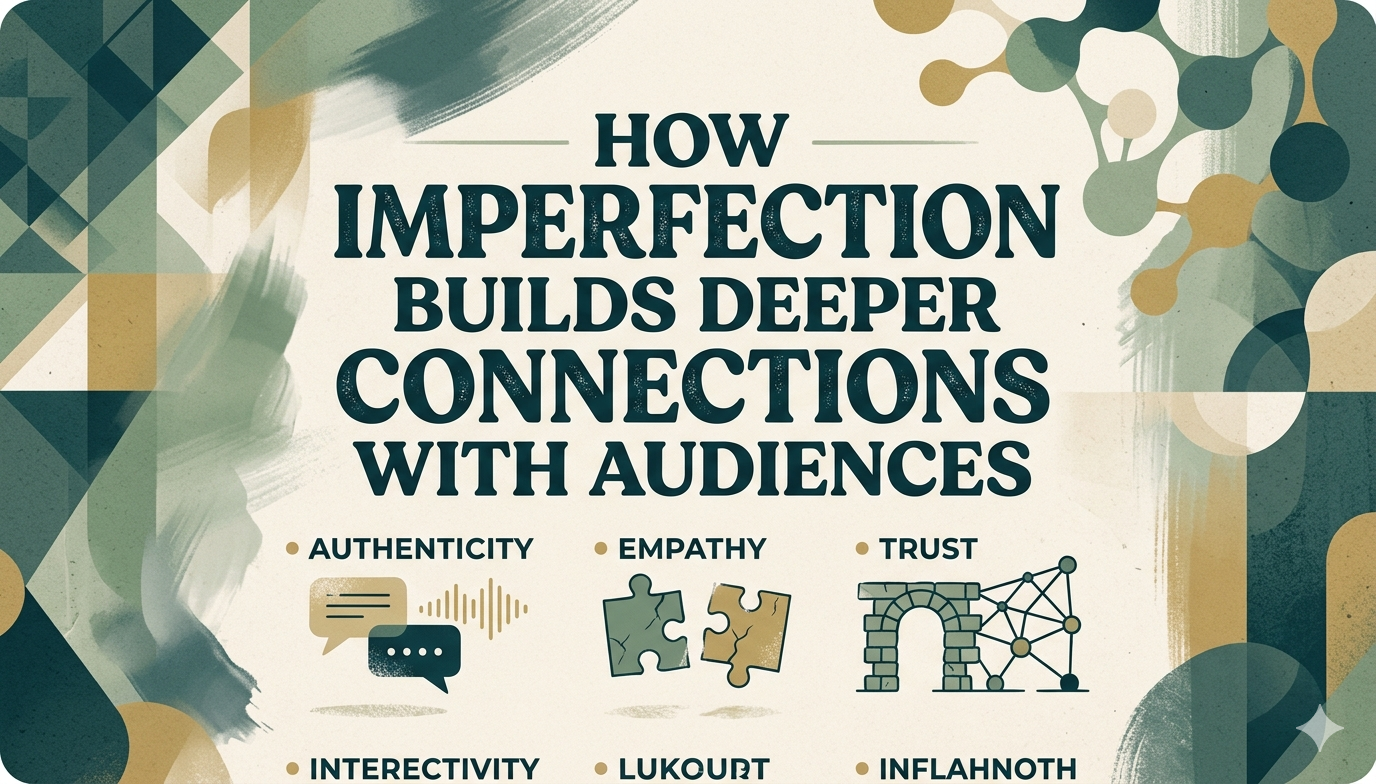
However, as the internet and social media platforms have evolved, something has become abundantly clear audiences are craving authenticity more than perfection. They connect more deeply with content that feels human, relatable, and, yes, even imperfect. The truth is, imperfections make content feel more genuine and help create lasting connections with audiences.
The Shift Toward Authenticity
As creators and businesses became more focused on creating content that was “perfect” in terms of structure, visuals, and messaging, it was easy to forget that audiences were seeking something deeper. The rise of influencer culture and polished brand messaging gave the impression that perfection was the standard to meet.
But over time, audiences began to notice the difference. They grew tired of content that felt rehearsed, staged, or overly edited. Perfect content started to feel artificial, like it was made for algorithms, not real people. Now, in an age of oversaturation, content that is relatable and raw stands out because it feels real.
Human content, which embraces vulnerability, personality, and yes, imperfections, allows creators to connect with audiences on a deeper emotional level.
Imperfection as a Relatable Strength
Flawless content can sometimes distance the creator from the audience, as it can feel like the person behind the content is unattainable or out of reach. Imperfection, on the other hand, creates relatability. Audiences feel that when creators show their flaws, they are more approachable and real. These imperfections invite connection by signaling to the audience, “I am just like you.”
This is why creators and brands are increasingly turning to tools like text to speech to bring more human qualities to their content. By transforming written text into natural, conversational speech, creators are able to deliver messages in a way that sounds less scripted and more spontaneous giving audiences a more genuine experience. This shift toward humanized content helps reduce the feeling of perfection and embraces a more approachable tone.
The Emotional Connection Imperfections Create
There’s a reason why people gravitate toward stories that show struggle or vulnerability. Imperfect content, whether in the form of written word, videos, or podcasts, gives audiences something to empathize with. It breaks down the walls between creator and consumer, allowing a more meaningful bond to form.
Imagine watching a video where the creator shares a behind-the-scenes look at their creative process, including their mistakes and failures. It’s far more compelling than a sleek, polished, “perfect” piece of content. These moments resonate because they speak to our shared humanity no one is perfect, and we all have challenges to overcome.
By showing imperfection, content creators tap into something more powerful than polished perfection emotion.
Why Imperfection Breeds Trust
Trust is one of the most critical components of any relationship, and that includes the relationship between creators and their audiences. Imperfect content, because it feels more human, allows audiences to trust the creator on a deeper level.
Perfection can sometimes trigger skepticism, as it might feel too manufactured, too rehearsed, or even manipulative. On the contrary, when content is real and raw, it conveys honesty and transparency. Imperfect content is often seen as more authentic, which fosters a stronger sense of trust.
Think of a brand that shares authentic moments, like a behind-the-scenes blooper reel, or an influencer who admits when they’ve made a mistake. This builds a sense of transparency and relatability that perfect, controlled messaging cannot.
The Psychological Effect of Imperfect Content
There’s a psychological reason why imperfection has such a profound effect. Humans are hardwired to respond to imperfections because they signal authenticity. When people see something that is perfectly polished, it can trigger a sense of disconnection. It’s almost as if the content was produced by an algorithm, devoid of emotion or personality.
In contrast, content with imperfections taps into the human tendency to connect through vulnerability. It allows people to see a real person behind the screen, not just a persona designed to attract clicks or views. This connection is emotional, and it is lasting.
The Business Case for Imperfection
While it might seem counterintuitive, imperfection can actually drive better business outcomes. Authentic content can help increase engagement, build community, and even boost sales. When audiences trust creators and feel personally connected to their content, they are more likely to become loyal customers or followers.
Moreover, content that embraces imperfection is often more memorable. People remember the moments of vulnerability, the funny mistakes, the real conversations, and the raw emotions. It’s these elements that stick with audiences and keep them coming back for more.
Embracing Imperfection in Content Creation
So how can creators begin to embrace imperfection in their content? The key is to stop overthinking. Aim for content that feels natural and genuine, rather than overly curated. Don’t be afraid to share moments of failure or vulnerability. Instead of striving for flawlessness, focus on authenticity and emotional connection.
Conclusion: Real Always Wins
In today’s fast-paced digital world, imperfection is no longer a weakness. It’s a strength. Perfect content might catch the eye, but it’s imperfect content that catches the heart. Audiences are no longer impressed by flawless visuals or perfect messaging. They want realness, vulnerability, and authenticity.
By embracing imperfection, content creators build deeper, more meaningful relationships with their audiences. And that’s something no algorithm or perfect post can replace.